Category: Minecraft

  • Ooh…Shiny keys

    WARNING: Potentially boring technical stuff below. Oh and it’s probably unnecessarily long

    Whenever I’m feeling a lack of drive to work on a particular project, I tend to stray to something else till that motivation returns. Although I strive to stick to one project, I do need brief diversion to replenish my enthusiasm now and then. Sometimes, that means working on one of my other projects for awhile. Like this week, I took a brief detour back to my Minecraft project. But other times, I just let my more analytical side run wild…..

    Distractions

    Besides art, I really enjoy the technical aspects of computer programs. I’m perfectly at home trying to decipher file formats and learn out the hows and whys “behind the curtain”. Sometimes it can give insight into the decision-making that led up to some design choice or the other (e.g. how SET files are mostly walls and floors but the outside ground textures are individual IMG files even though they are used in a “SET”-like fashion). Other times, it just gee-whiz knowledge such as  Darkstone can handle high resolution texture or that TES:Arena’s root directory is also the file override directory (overrides the files for the game). I freely admit that I just enough to know I don’t know enough. I can analyze files (e.g. using a hex editor to examine the file byte by byte) but not enough to find the answers I want.

    A.EXE

    That is how I discover odd things here or there about games that I’m working on. Quite awhile back, I discovered that the Arena executable file (a.exe) was compressed. This immediately led to me wanting to uncompress it. It didn’t take me too long to find a dos unzip tool then I just loaded Dosbox then ran the tool from within the dos environment. It was fun for me just to have gotten that far. The executable still worked but it wasn’t as if that opened a treasure box of discovery. The main thing I found was text inside the executable that is used in game however I don’t know if editing it would cause something to break (might be worth trying sometime). Sometimes compression isn’t about size but speed. The computer can load more into memory then uncompress it on the fly. However, that isn’t really relevant to TES:Arena anymore 😉

    DOS DEBUG

    Occasionally  when I’m bored, I load the Dos debugger version of Dosbox. It’s basically the same program that emulates Dos but with a debugging window so you can see “what’s going on in the background”. While I don’t have nearly enough skillz to understand how to copy memory from registers and other such jazz, it has shown me what files were loaded when  particular dungeon or city was entered and that has proven helpful a few times already as I tested my mod. I know it’s possible (in theory) to use the debugger to find the routine for the IMG files that use that difficult compression. Also, one might be able to wait till one of those IMG files are loaded in memory (and thus already uncompressed) and then pull it out of the memory register….no idea how to do it though. (I told you I know enough to know I don’t know enough). I would really like to see if the IMG files would still work “uncompressed” but don’t know how to make that happen.

    MIFs

    All TES:ARENA levels are detailed out in the MIF files while the textures, sounds, etc. that they load are listed in the INF files. Think of a MIF as locations outlined out on graph paper. They determine the layout of all locations: cities, dungeons, stores, etc. INFs are more like the map key dictating what the dungeon will look like aesthetically.  With preliminary exploring with a hex editor , I found each MIF has a specific INF listed in it’s “code”. So when a MIF is loaded, it searches for the INF and loads all textures and sounds from that particular file. If we ever manage to decode the MIF format, we could theoretically create new levels and hand design them too. Occasionally, I’ll load one up but honestly, but I don’t get far (it doesn’t mean I can’t have fun trying).

    INFs

    INFs on the other hand, are all plain text. You’d think that would make them easy to decipher but the format is only partially obvious.  I have fiddled with changing pieces here and there to see the effect in game but only a little and I haven’t found much. There are some odd switches that didn’t seem to have any (obvious) effect on the starter dungeon. I will probably map the INF file structure out at some point when I have more time (ha ha). The bigger problem is that I think the INFs maybe loaded with extraneous junk that doesn’t get used in game. For example, the starting dungeon only has one floor and one exit with no entrance but the file not only list an entrance file but also 6 alternate files sets as well a listing of all the monsters in the game even though only a few are used in that level. My theory is that they used a base template to start with then altered it from there. This confuses the matter if a texture is used in game or not if each level list many textures that aren’t used for that level. It could be trimmed down if I we knew what the structure of the MIF files and could see if those listed IMG files are actually used in that level. Maybe in time.


  • 1 step forward 2 steps back…

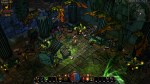
    Several years ago when I first started messing around with computer graphic art, I tested out visual concepts on a PC game called Morrowind (the third in the Elder Scrolls series that Arena started) . Although Morrowind was where I tested the waters, it was another game called Torchlight that became the focus of my first big project I “cleverly” decided to call Toonlight. Initially, I tried to change the art assets in bulk by using the various filters built into the GIMP software. However, while the end results were interesting, I didn’t find them very pleasing aesthetically.

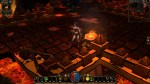
    So I took those results and experimented a little more by testing different tweaks and changes. Eventually, I narrowed down the look I wanted to pursue. Since I found the game art interesting but bland, I decided my goal would be to make it more vibrant and add cell-shading style lines. Surprise, Surprise 😉 I just felt that the WOW-esque muted coloring made the environment less interesting, washed out and a lot of detail.  So I started adding “black outlines” and redoing each texture by hand. Then I would test them in-game. Each art set for the various types of levels were already separated into individual folders labeled “levelsets”, so I worked my way from one levelset to another. I was even close enough to completion that I thought I could beat Torchlight 2 being released. I had reworked almost all the level artwork and many of the monsters and props. However, I was in the midst of moving and my motivation waivered and the mod drifted down the priority list.

    Recently, when I started recollecting all my data from various hard drives (including 2 that were on their deathbed, CDRs and memory sticks, I discovered my art files for Toonlight and my other “on hold” mod, Darktone, were missing and the only thing left was a very early version of my Toonlight mod. Although this is a tragedy for most, I had learned so much from working on that project (and had so much fun) that I don’t consider the time wasted. On top of that, upon further review, I found myself not overly satisfied with the few levels I did recover. The initial mine levelset now seems too sloppy for my tastes, the crypts are a little too green and non-descript in a few areas, and the sunken temples levels are a TOO busy. Only the lava level still pleases me but some of it didn’t get recovered. I’m still searching for them but worse case scenario, I have enough recovered to springboard myself back into the project. With that said, I’m focused on my Arena mod. Once I have gotten as far as possible, I will resume my other projects.

    So where does that leave me…same as before. I still plan on completing it. One aspect all my art mods have  in common (except Minecraft) is that they are older games that I’m doing for my personal enjoyment. I don’t feel the need to adhere to a timetable before the games become “irrevelant”. Arena was released over 20 years ago!

  • Pixels….so many pixels

    Project statuses

    Minecraft

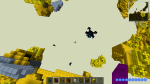
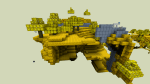
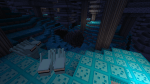
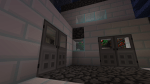
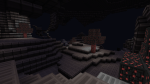
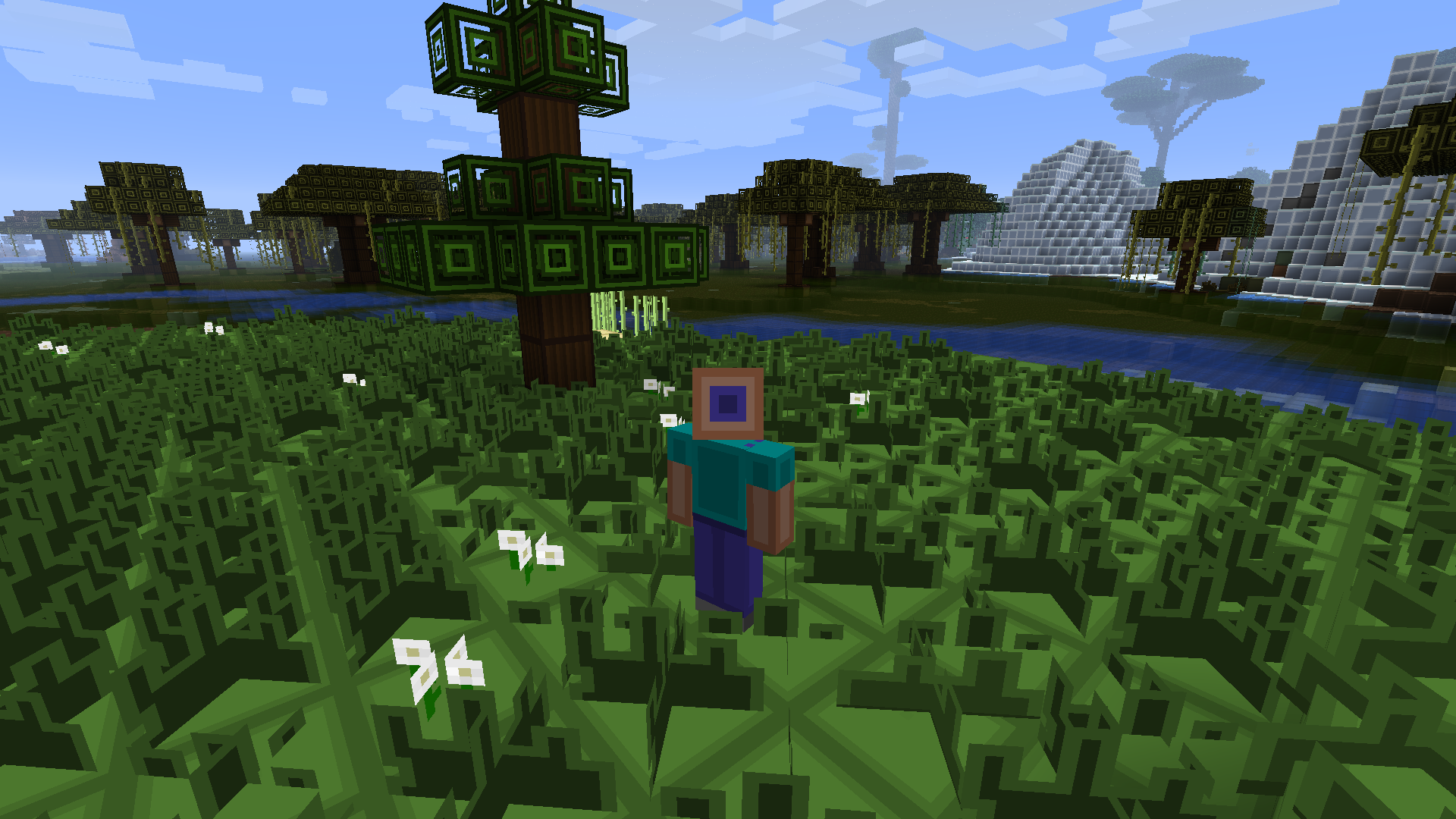
    At request of my son, I had resumed working on PinkertonCraft, my Minecraft mod. Although almost all (99%) of the original game textures are complete, I don’t want to release till I complete the art for the mods my sons use. Most of those are complete but a few are quite large. In fact, one mod called Divine RPG has almost 4 times as many textures as the original game. I have used most of my time since August working on it and am about 70% done with that.

    One thing I noticed with a lot of mods (and even “vanilla” Minecraft) is that many textures are the same except for the color. For example, all the “rugs” in the Divine RPG mod were just the same bland texture in a different color. Mods are especially bad about this. Divine RPG has many “dimensions” but in the original art set, they were all the same texture but in different colors. I have strived to avoid repeating textures in such a manner unless it made since (i.e. colored wool or glass). So for each of the dimensions, I tried to give them as unique a look as possible. I apply the same principle to the “mobs” (i.e. monsters). If the game has 7 “golems” then I want them all to actually look different and be distinct.

    (Click the pictures to see how they look different now)

    Arena 

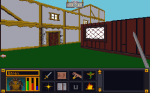
    I had made a lot of progress before I switched back over to the Minecraft project. I have completed 102 of 184 set files. I should note that like many other resource file packs, Arena is chock full of unused files or files that were started and then switched to another format. I can think of 5 SET files off the top of my head that aren’t actually used. They are all ground files that Bethesda switched to IMG files (that I have already completed). A lot of the remaining SET files are less linear and more organic. Because they are base on 64×64 pixels, they require more creative approaches. I will start planning out how to handle them soon.

    Website

    I have been wanting to finish the website. Currently, the only thing linked are pictures. I need to add a Minecraft category and add to all the other categories. My goal is to have the site fleshed out in time to coincide with the release of PinkertonCraft (hopefully in October).

  • Surface Pro, PinkertonCraft, and Arena

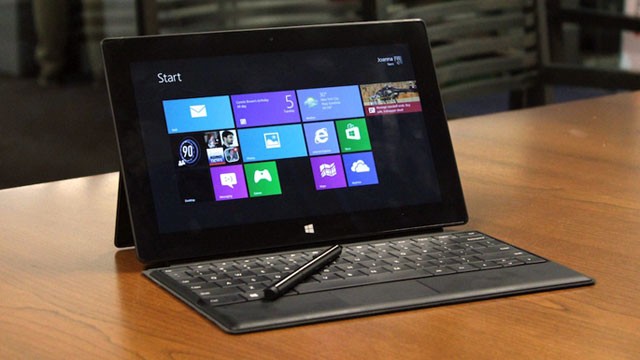
    First off, the Surface Pro has proven to be a great asset for me with my very busy schedule. I have been able to take advantage of downtime much more efficiently including when away from home. The device is great for artwork on the go and since it’s a full fledged computer in a tablet size, I can run any program that runs on Windows 8 (to include GIMP).  On a road trip back from a vacation, I was able to get in over 2 hours of work done on my current project. I would say it has at least doubled if not tripled the amount of time I can spend on my little “hobby”.

    Surface Pro
    Microsoft Surface Pro

    Second, I have made much progress on my minecraft art texture pack. I am calling it PinkertonCraft after the long running tradition of naming Minecraft mods…something + Craft. Currently, I have completed all of the terrain blocks, items, and almost all of the monsters (holding off on the dragon till I get inspired on how I want to do it). I have8 of the 12 GUIs textures completed (these are the menus that pop up in the game). Then I only have some icons and status pictures to update and the entire vanilla game experience will be retextured in my mod. On top of that, I have already completed quite a few major mods too so they will blend seamlessly with my texture pack.

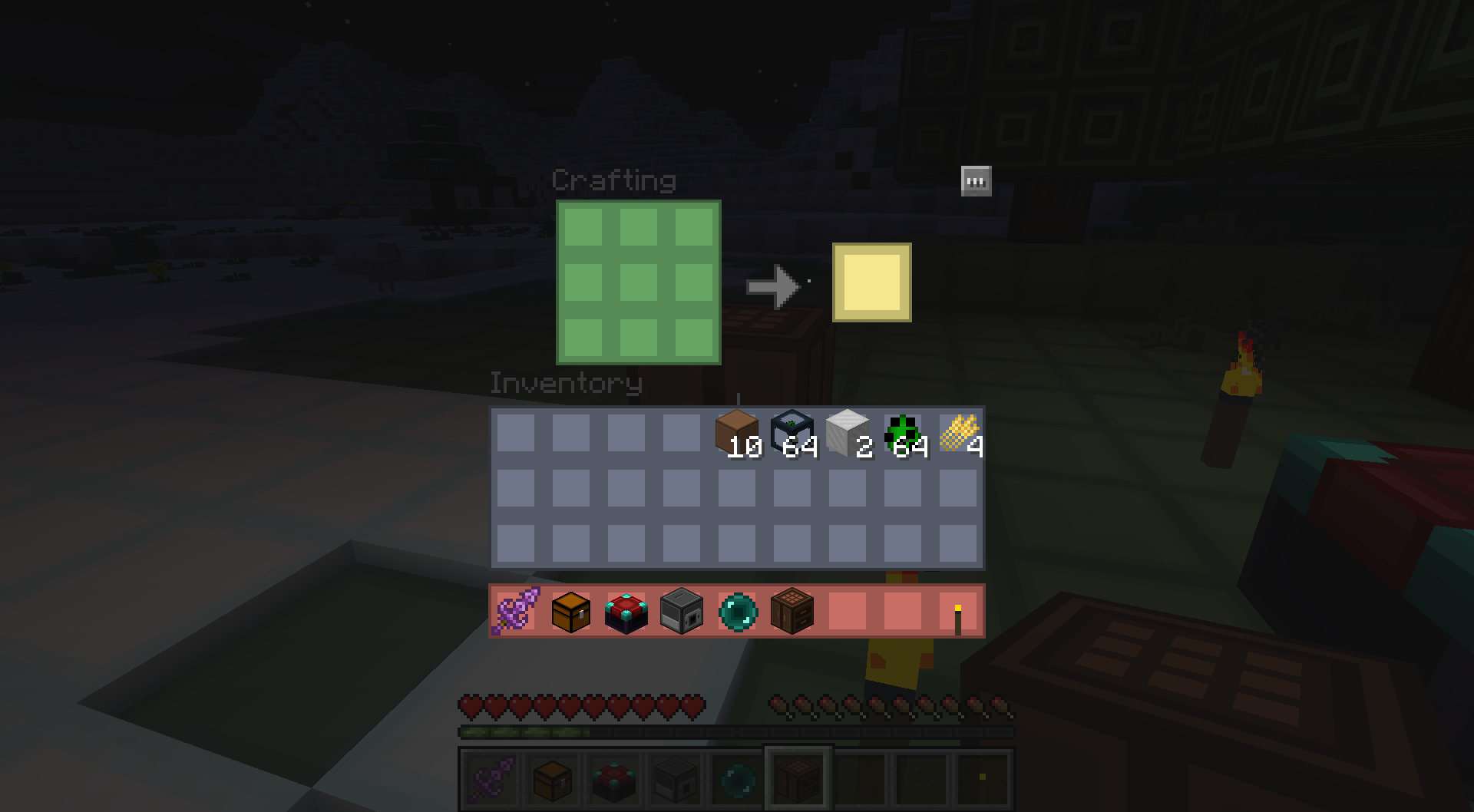
    Crafting without NEI New crafting menu Steve in a field

    Lastly,

    Hellfire2079, an another enthusiast, has released his new iteration of his mod tools for The Elder scrolls 1: Arena.

    http://forums.bethsoft.com/topic/1412607-lets-mod-arena/page-2

    The new program allows seamless unpacking and repacking of the games art content. On top of that, when it “unpacks” the file, it converts the files to PNG for easy editing! His old program allowed for BMP editing (which is what I used for my Arena Depixelation Project) but PNGs work fine too. When his program “repacks” all the files, it converts the PNGs back to the format the game is expecting. This may not seem like much but editing the original files is annoying and took me some time to figure out how to do (it involves opening the files in GIMP in RAW format and then using an offset AND a palette file…ugh). On top of that sound files are converted and INF (dungeon layouts) are converted to an easy .ini style layout. He also created a font editor for the program (hope to get to use that eventually). The new program is much cleaner and effective then the last one (that required importing individual files vs repack them all at once).

    All of this has gotten me reenergized toward my Arena project so it’s good that my Minecraft project is nearing release state.

  • On the surface…

    I have almost completed all of the original minecraft textures except the items. I have been using the website http://www.novaskin.me to edit the monster textures and only have the villagers and the end boss to go. What has greatly increased my speed is that I just got a Microsoft Surface Pro tablet/ultrabook. I have been on the lookout for a laptop or tablet that had true digitizer input such as in Wacom technology. The Surface Pro is the first such device to meet all my criteria. And to boot, it’s a full-fledged decently powerful computer. Haven’t tried GIMP on it yet but I’m very optimistic.

    2013-05-01_23.44.54

    2013-05-01_23.46.25

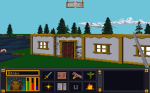
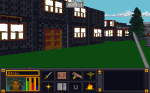
    One thing should be obvious about my style is that I don’t like the dirty pixel-y look of both Minecraft (by design) and Arena (by necessity). A big focus for me to work within the limitations of the original art to make it more appealing to my artistic sensibilities and create a fresh look. For the monsters/animals in Minecraft, I was particularly trying to make them different. So many texture packs make them all look similar (i.e. a cow is more or less a cow) and to me, it’s not worth doing if it isn’t at least interesting (even if it’s not every ones cup of tea).

  • Minecraft and on….

    Just when I was getting to an almost releasable state, Minecraft threw a curveball. Before all the block textures were on the same image file, but after a recent update they changed it to make every block have it’s own image. Although the developer made a small program to “unstitch” or separate the images into individual images, it only works on the main game textures.

    Night pig

    Ores

    Snowscape

    The problem with that is that all the mods are starting to adopt the same format and because of that, I will have to go and separate the images for each mod I have already done in order to make my texture pack compatible with the newest version.  Ugh…


  • Back in the saddle

    Although I haven’t been on in some time, I have been busy with the Minecraft project I mentioned awhile back. I actually completed all of the Minecraft block textures and 1/3 of the monsters. On top of that, I’ve done quite a few mods that my boys frequently use (maybe 10 or so) to include some big ones (Metallurgy, Biome-o-Plenty etc) that took more time than the original game.

    I was really interested in making Minecraft “artistically” interesting. Because of this, I didn’t feel the need to yield completely to convention and try and make the blocks “look real”. The best example is probably my takes on the leaf blocks. I spent a lot of time working and testing in-game to get this artistic effect. I haven’t release it yet because I wanted to at least 100% complete with the core Minecraft textures (I still have to do 2/3 of the monsters).

    This slideshow requires JavaScript.


  • Busy week

    Had quite a few things on the agenda this week. On top of that minecraft has finally descended upon the household. I spent more than a few hours installing all the various mods for my boys. I did find a little time to work on my project. Even though I only got 2 sets done, I picked two more difficult sets.

    Usually what I do is load the image up in GIMP and then zoom out. I try to get the feel of texture then I redo it trying to keep a link to the original image. The tricky part of textures in Arena is that they were clearly make at a higher resolution with higher color depth then downsized. The mish mash of pixelation left is barely recognizable as anything. When you add in the very low resolution of the Arena engine, it can be quite hard to look at. This is the whole reason i started this project. I hope by simplifying and redesigning them, the in game experience will be better.